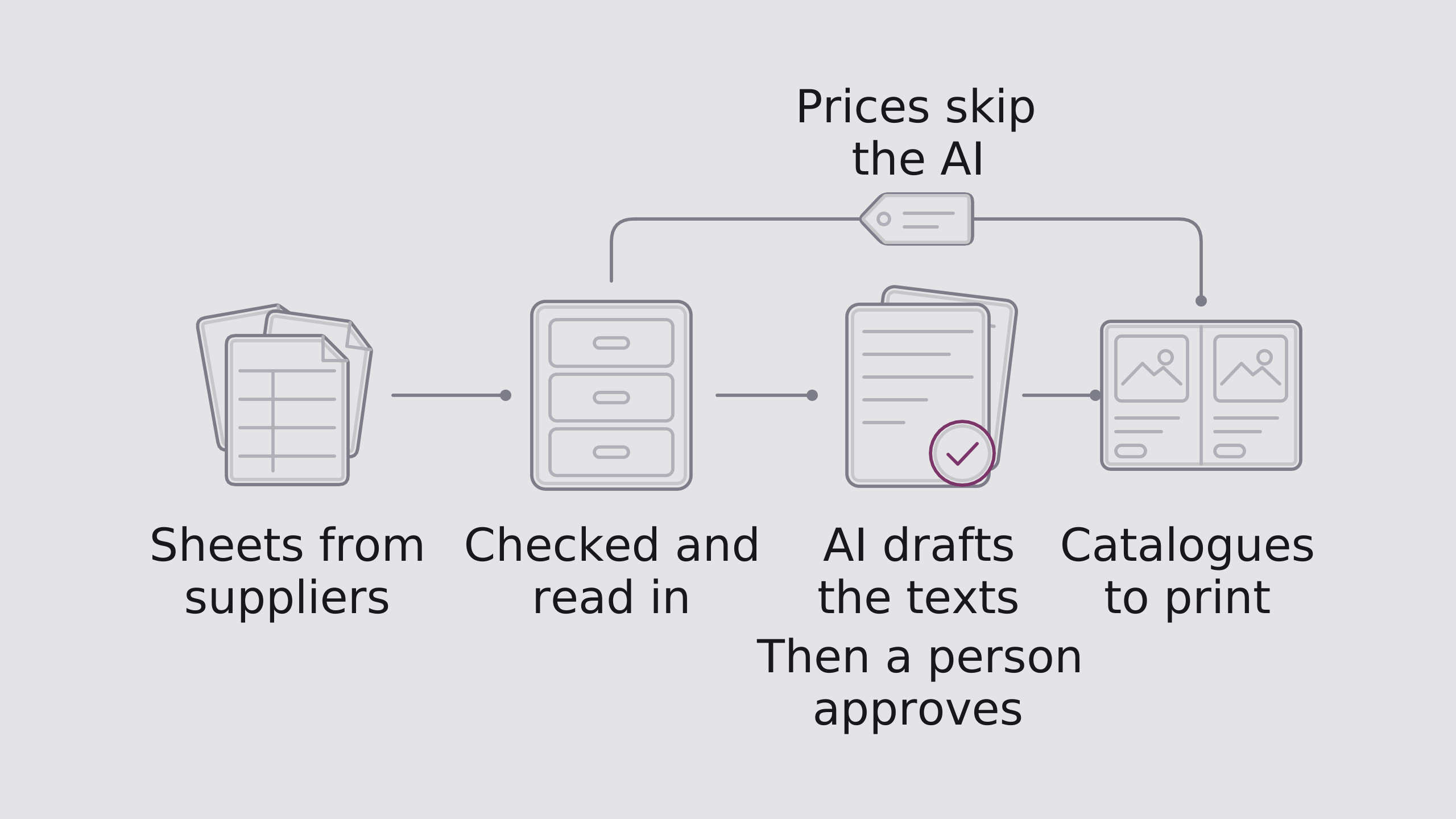
One supplier's items belong in several catalogues, and one catalogue draws on several suppliers. So the sheets are read into one place, and each catalogue is put together from there.
The example shown is an invented furniture maker's wholesale catalogue. Items, texts and prices are example data.
Each supplier has its own folder, and the spreadsheet itself is never changed. Each sheet's columns are checked before import. If a column has moved, the import stops and explains why, for example “The ‘Price’ column has moved”. Nothing from that sheet is imported.
New items come in, changed ones are updated and discontinued ones are taken out, only for the supplier the sheet comes from.
The catalogues serve several brands, each with its own tone. The sheet's source text first becomes one neutral base text. A person approves the base text once. AI uses it to draft each brand's text in the language of each market. They are marked as drafts, and a person approves them for each brand and language. The price is locked and comes straight from the supplier's sheet. AI can miss the tone, but it can never change a price.
When a new sheet changes an item's source text, only that item goes back for approval with the reason “The source text has changed”. The other items reuse their approved text.
A PDF draft is created first. If a changed text is awaiting approval, the last approved version is used. An item that has never been approved is left out of the PDF and shown on a list. When the PDF draft is approved, it is stamped with who approved it and when, and that same file goes to print. What is printed is exactly what was approved.