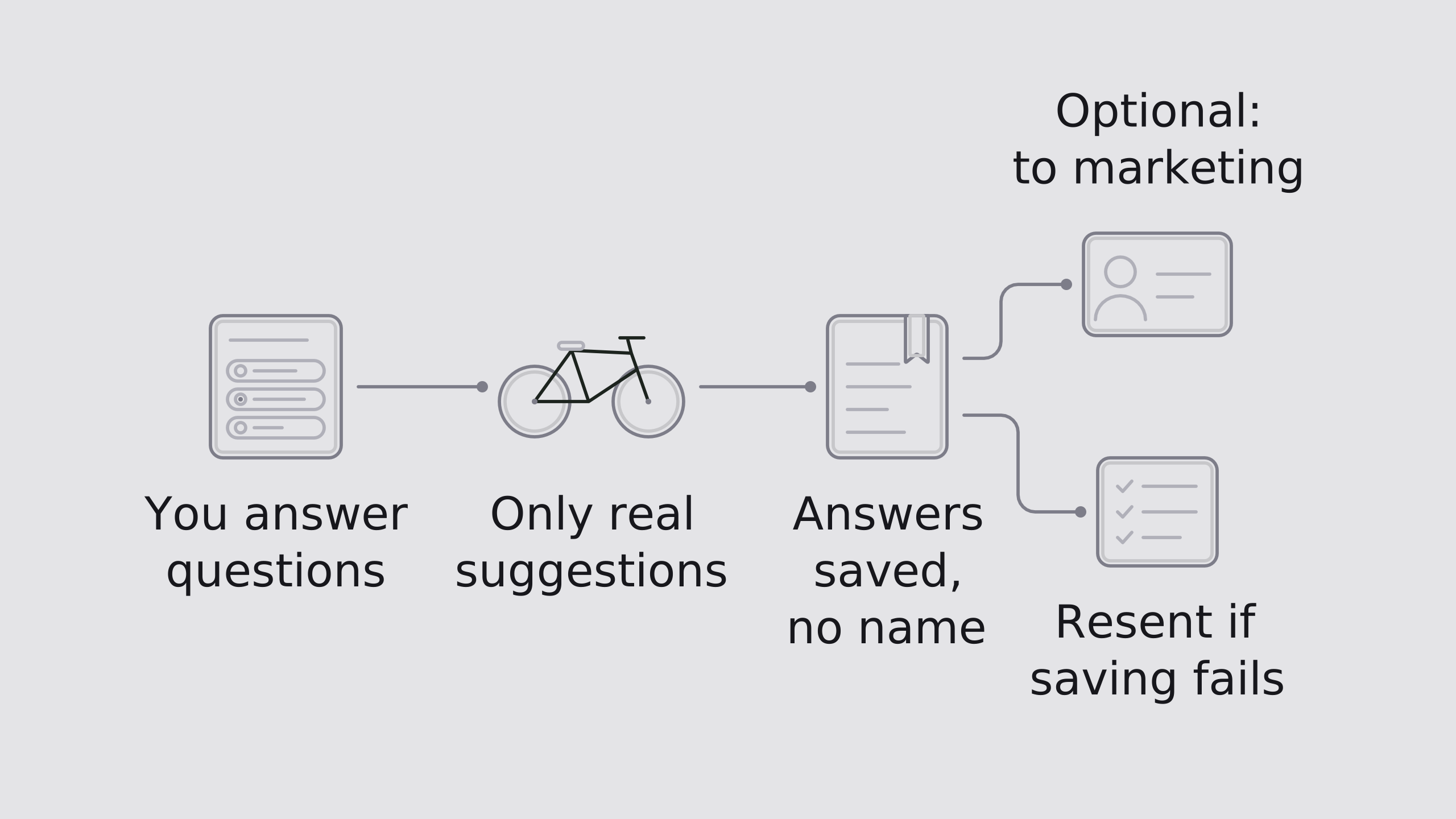
The screens show an invented bicycle maker’s “Find your frame” quiz as an example. Every frame, name and number is example data.
Answers are either requirements, which remove products, or preferences, which only change the order. Suggestions come only from the catalogue, and the top ones show a short reason why they fit.
If nothing fits, the requirements are widened one at a time by set rules, least important first. The results page explains that the search has been widened.
Answers are saved along the way without a name or email. Only on the results page can visitors choose to have their matches sent or to be contacted, which asks for their name and email. The name and email go to marketing only when a form is sent, together with a code for the visit, so the answers can be linked to the person. If anything in the anonymous answers looks like an email address, it is refused before the answers are stored.
If the answers cannot be saved, the page retries automatically. If that fails too, the team gets one alert with the technical cause and no personal data. The browser keeps the answers and resends them the next time the page opens, without saving them twice.